














Especially a WILD cave?
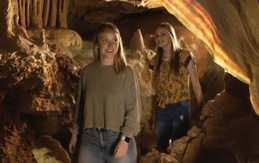
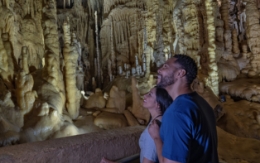
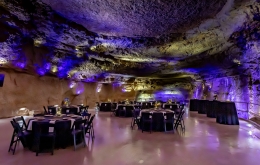
Taking stunning photos inside a cave is usually as easy as taking out your cell phone. Most modern cell phones have strong enough low-light settings which make it easy to catch the cave’s good side. It can be a little tougher to include yourself in the photo since our formations are carefully and artfully lit, and you standing in front of them are not. It’s a problem we usually solve by encouraging guests to use their flash or a second phone with a flashlight on to add your own spotlight.
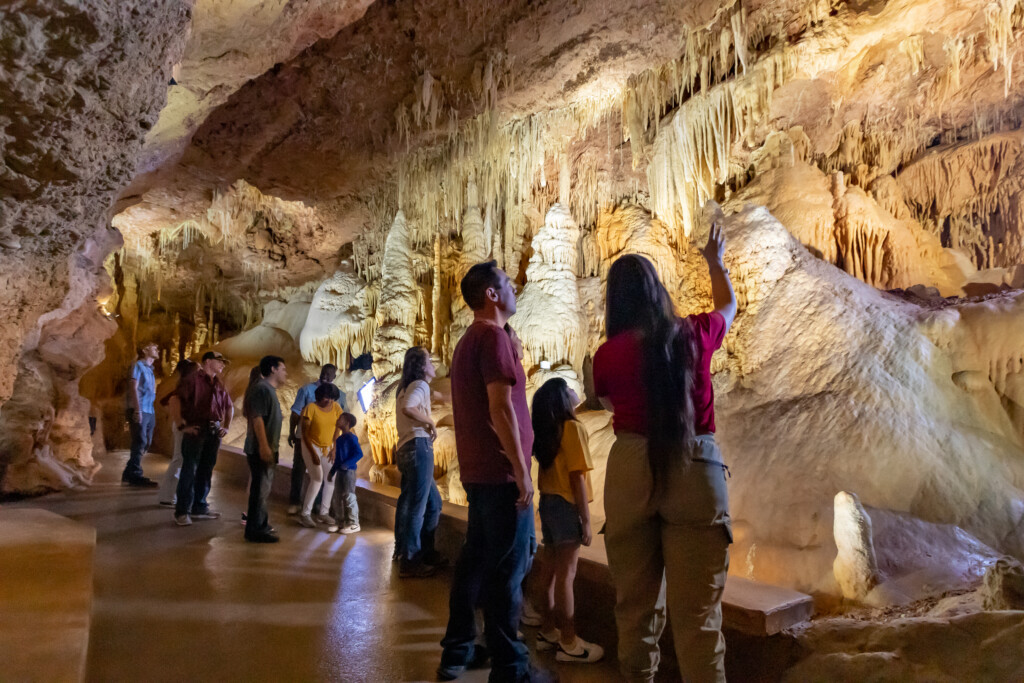
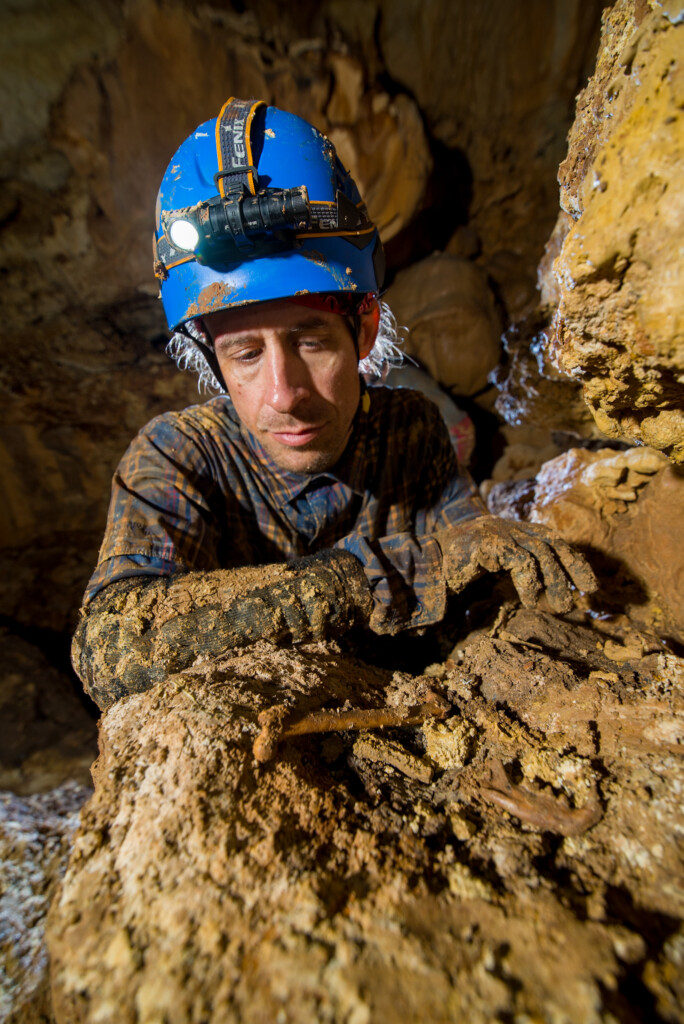
But when you go into the wild parts of the cavern system like our expedition team there are no multi-million dollar lighting systems showcasing the formations. Plus in our cave there is so much mud, it can be tough to get a clean shot (pun intended).
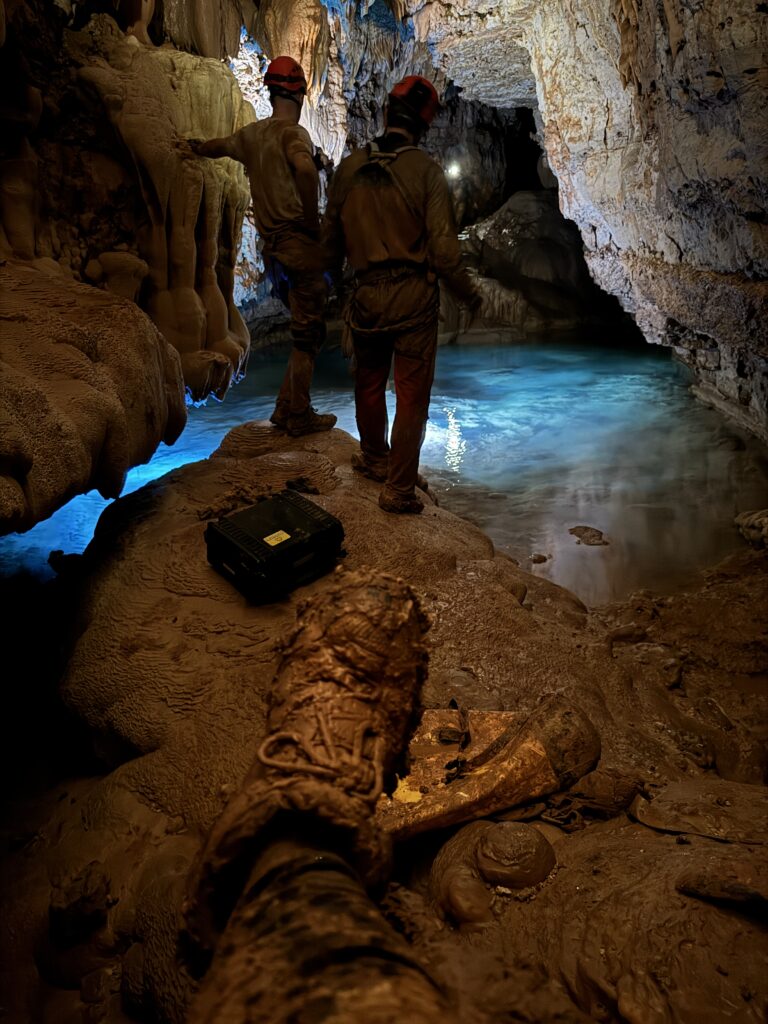
Fortunately we’ve worked with amazing professional cave photographers that have traveled the world capturing these incredible dark places and they’ve shared some tips and tricks for catching images deep in the dark underground.
Chris Higgins (https://www.instagram.com/chrishigginsphoto/) has captured stunning images on several of our expeditions and we’ve noted several key techniques:
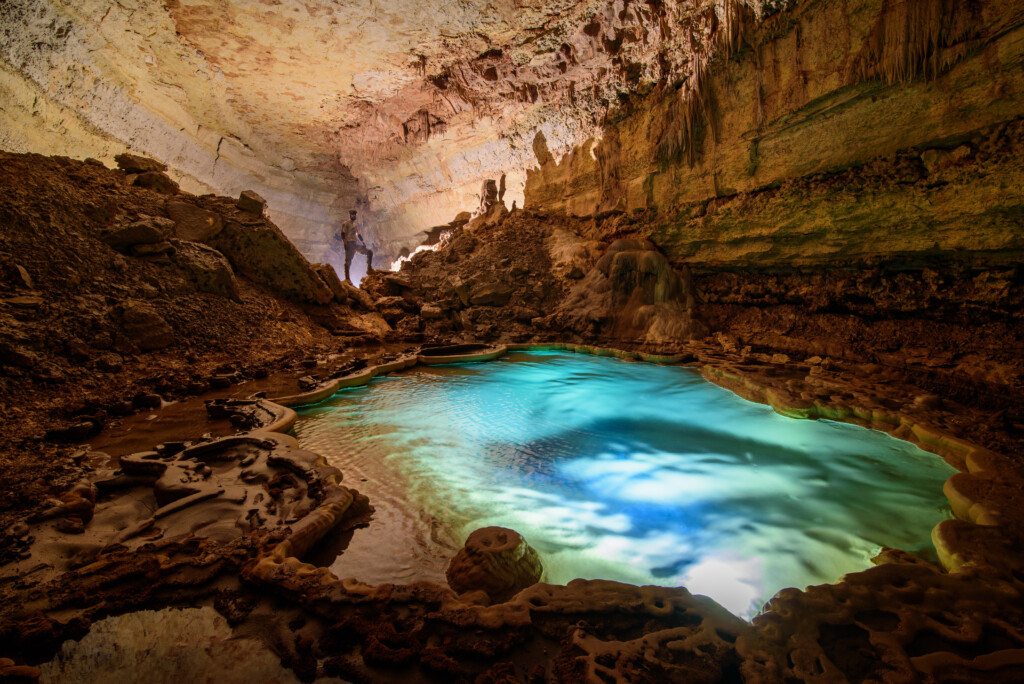
First you have to bring in lights. We carry in LED panel lights that are battery operated and capable of varying “warmths” which is rated on a Kelvin scale (fun article on that topic here). We also have smaller lights that can be placed under water which is critical to get a shot like the one above.
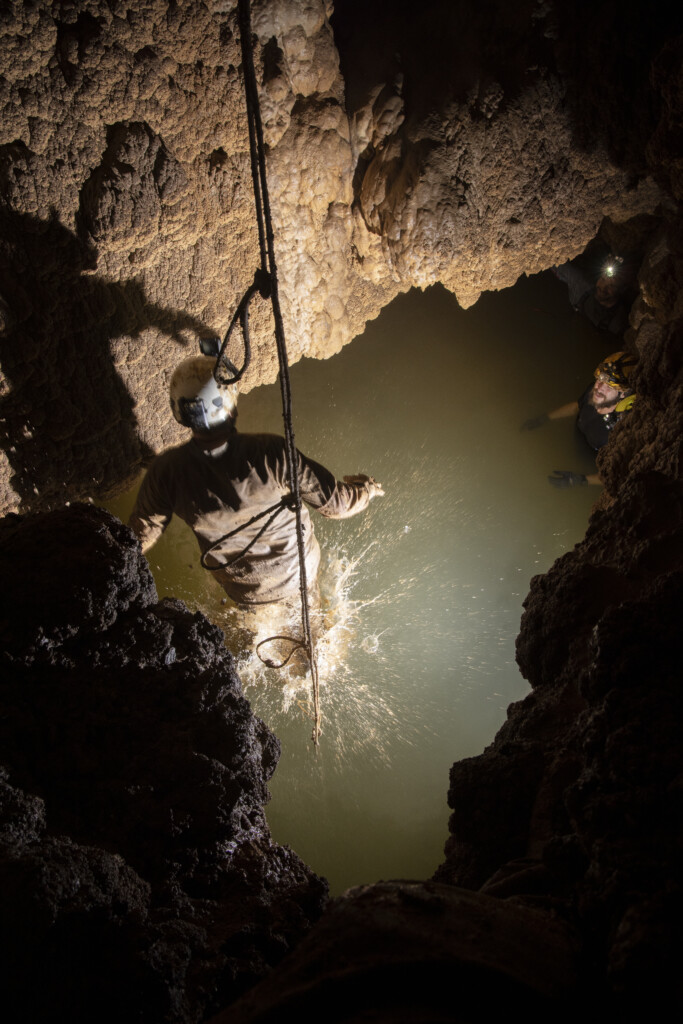
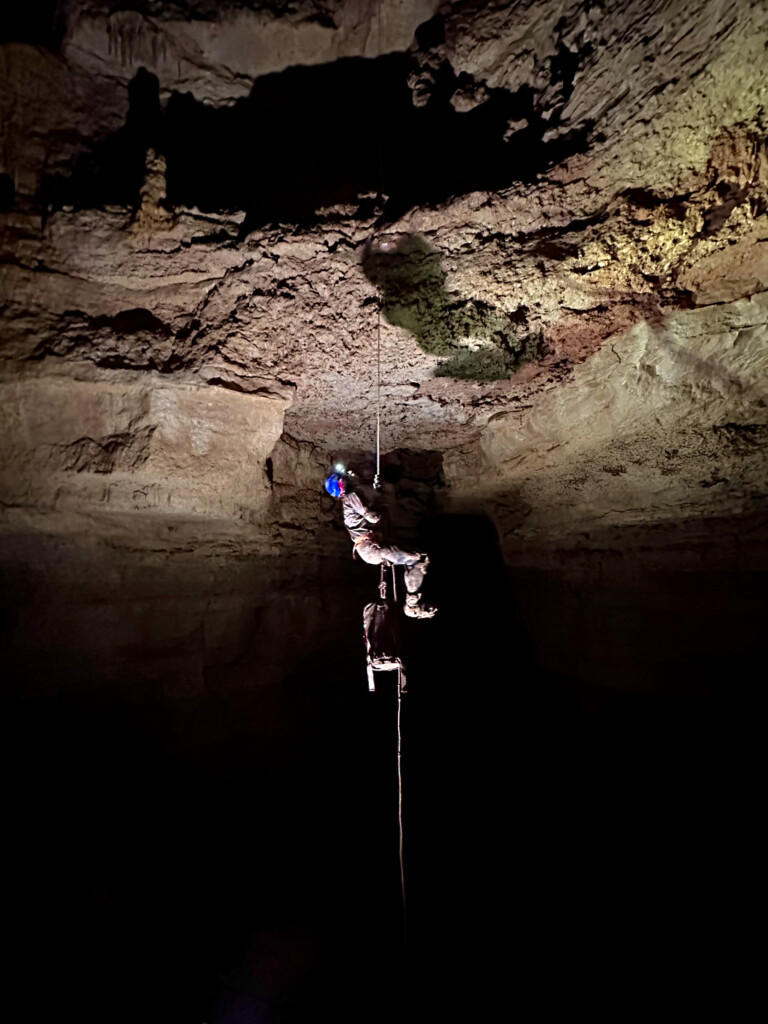
Next you have to be an experienced caver to recognize cool moments that are there to be captured like this descent into a watery area. Having an artist’s eye for framing a shot helps too, with enough light to capture the splash, the dark cave and shadow drawing your eye to the action and another caver in the background for perspective.
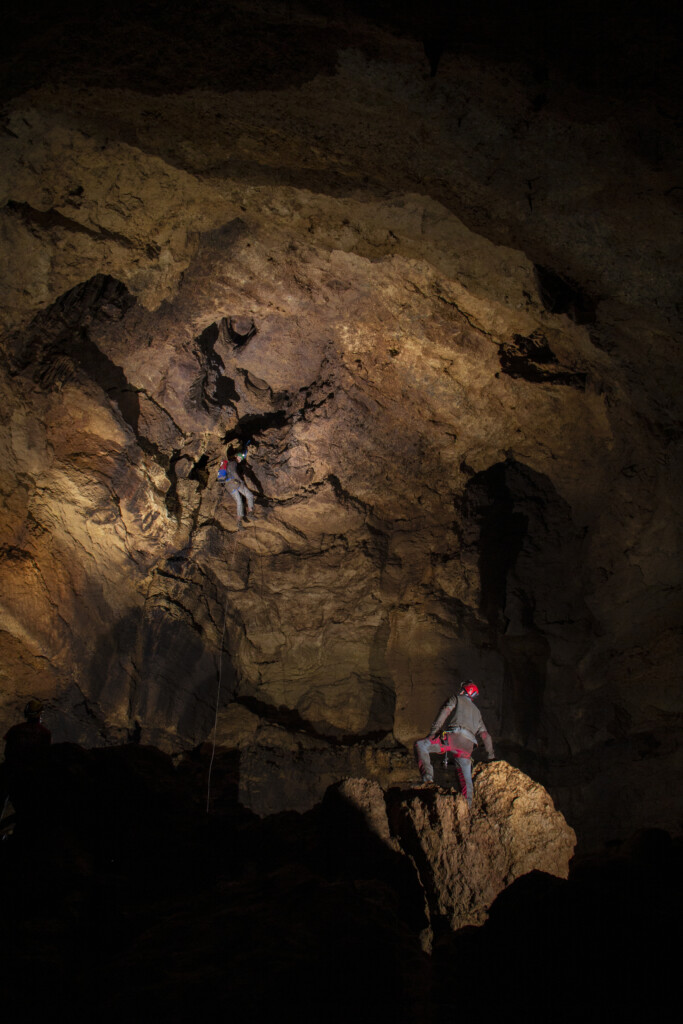
Next you need patience all the way around. Setting up lights takes time and getting everyone in the perfect position isn’t always easy. When you can “see” what isn’t quite there, you still have to paint (and repaint) the scene with light. Having a deep understanding of your camera’s capabilities is critical.
Skill, experience, a patient crew, and a beautiful cave. That’s all it takes! Curious about the wild areas of the cave? We do lead adventure tours through parts of it – learn more on our website.
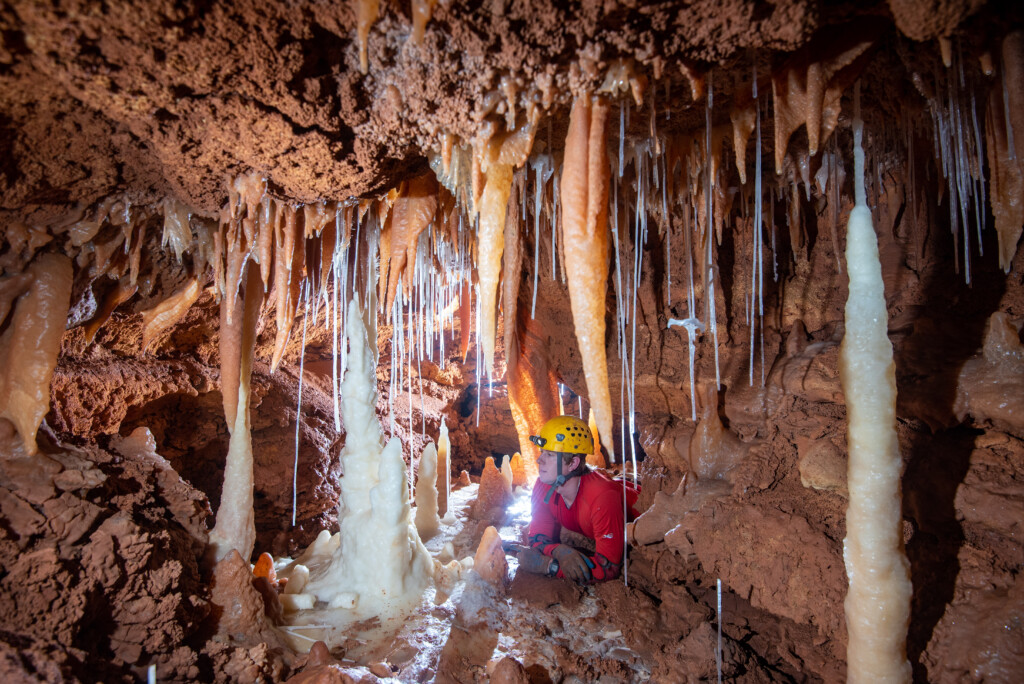
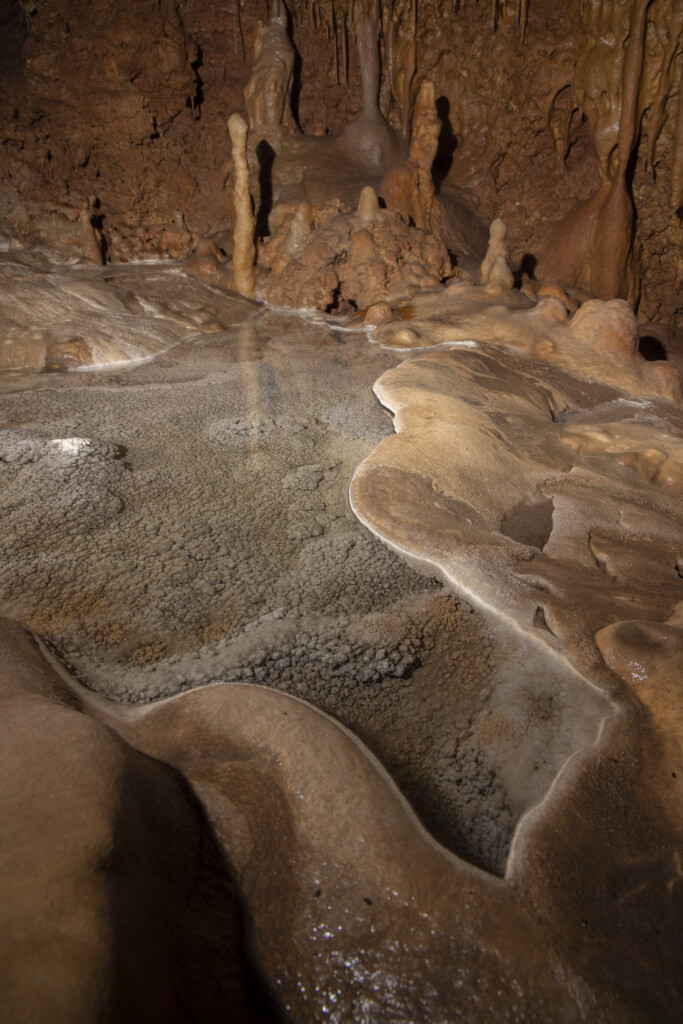
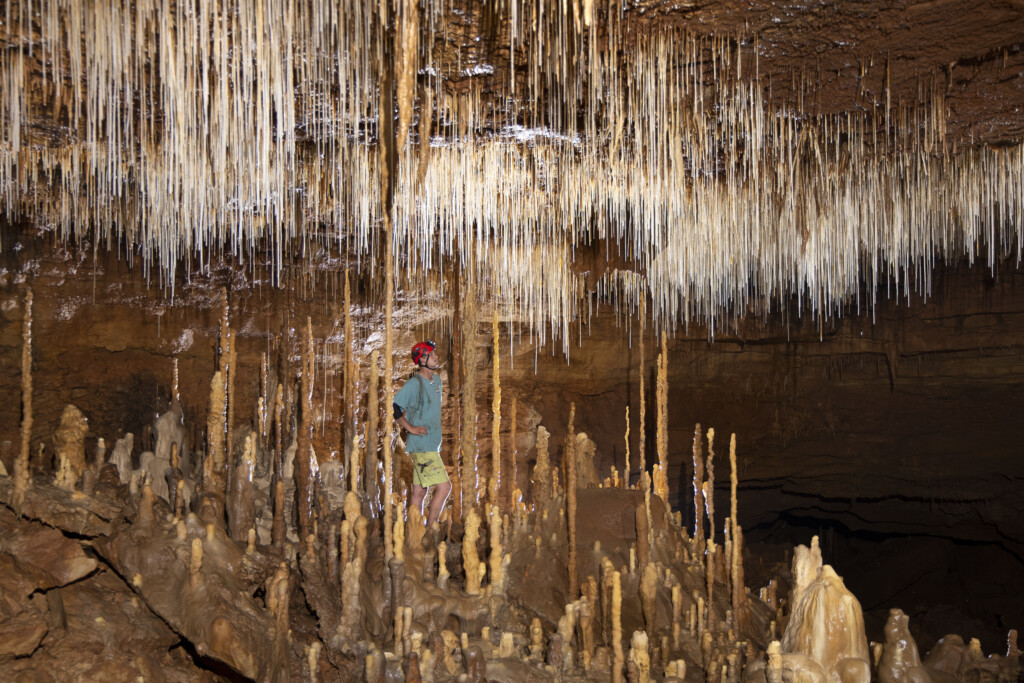
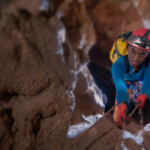
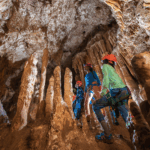
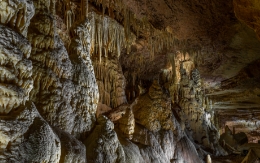
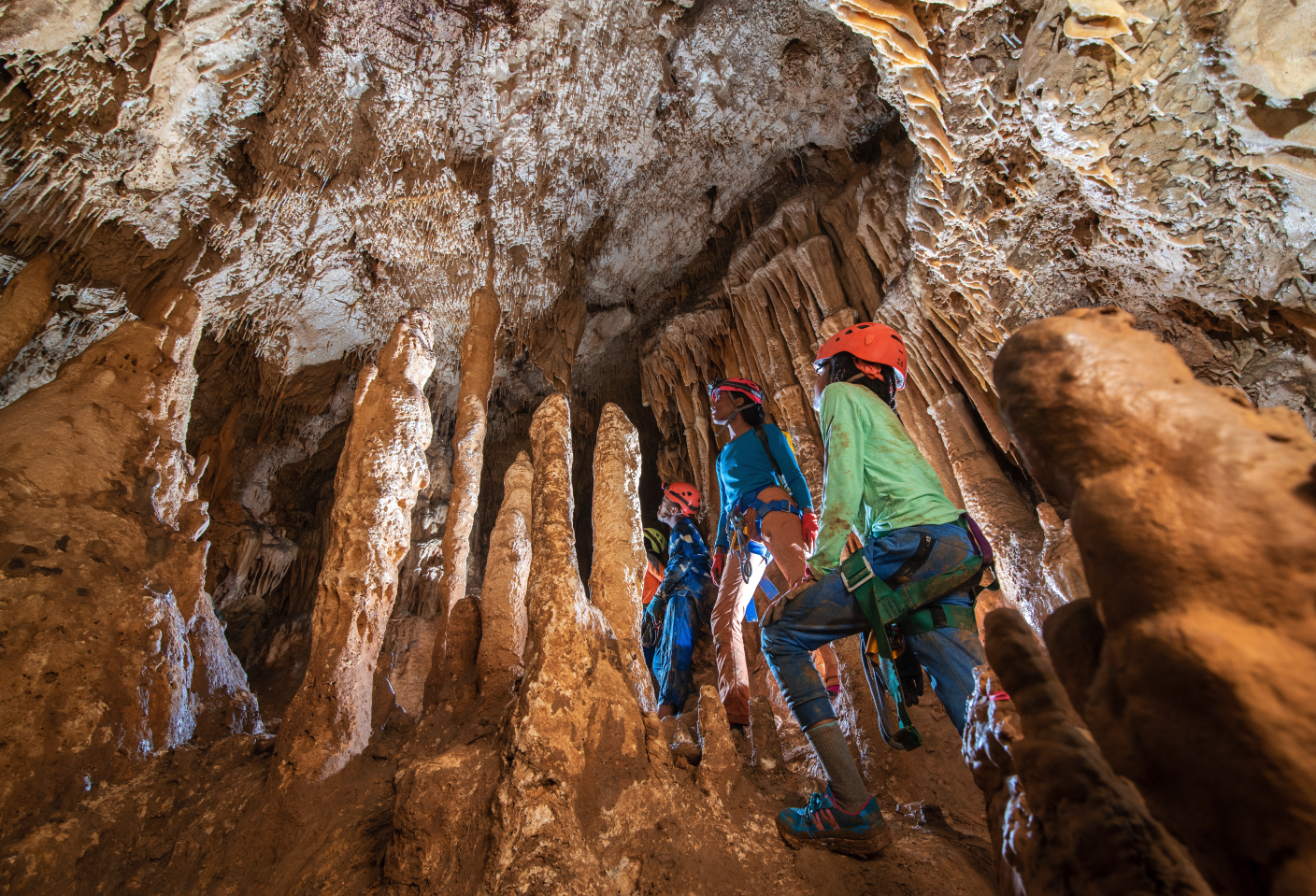
Here’s a few more of our favorite shots from the wild areas in our cavern.